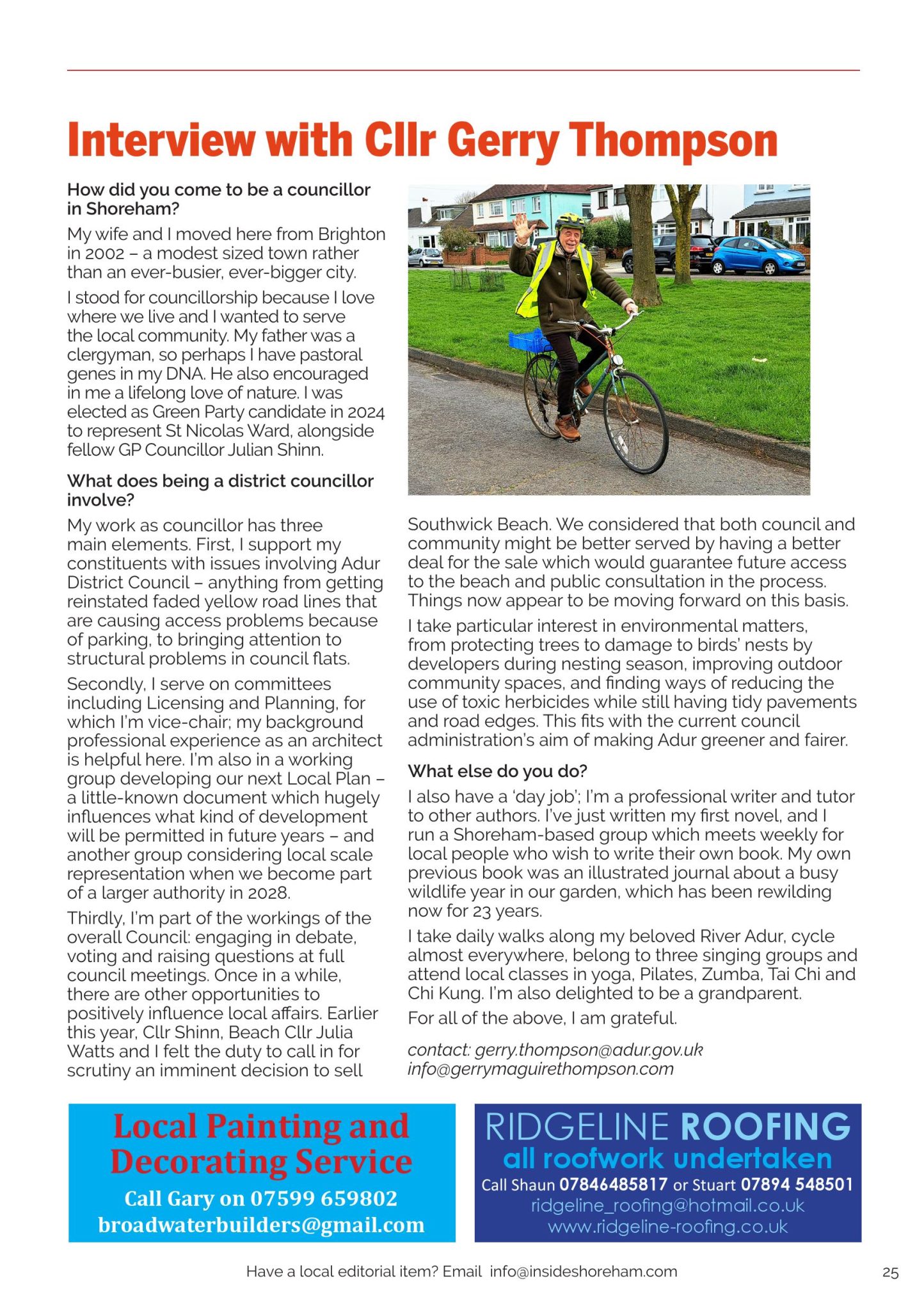
Inside Shoreham magazine for January 2026 is running this interview with me, asking me about how I became a district councillor in local government, what I do in this role, and what else I do with my life :

WRITER/ HUMORIST/ COACH TO AUTHORS
Inside Shoreham magazine for January 2026 is running this interview with me, asking me about how I became a district councillor in local government, what I do in this role, and what else I do with my life :
 I’m really glad I’m not an alpha male.
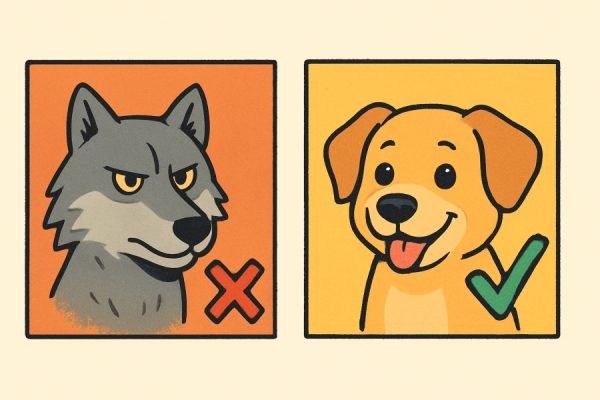
As an alpha male you have a terrible time. You’re always stressed, always under pressure, always fighting to maintain your position in the hierarchy. Somebody’s always trying to steal your alpha female . You have to be butch and dominant all the time and keep people in their place; it’s really tiring. And you have to keep looking over your shoulder because somebody’s always about to stab you in the back or bite you in the bum or worse. It’s just not worth it.
I don’t even want to be a beta male; I’m happy as a regular member of the pack. I don’t get first pickings of life’s carcases (that’s a metaphor) but I get enough scraps to stay alive. It suits me to not be important enough to be worth challenging. I don’t have much of an inner wolf anyway, probably more of a miniature golden retriever.
Being a zeta male – that’s where I’m comfortable. Everyone has low expectations so nobody’s disappointed; what’s not to like about that?
So what about you? What’s your preferred position: alpha, beta, zeta… or status-non-binary?

Are we over-using words like this? Are you an always-er? Do you say things like…
“You ALWAYS say that”
“This ALWAYS happens to me!”
“It ALWAYS rains when we want to go out!”
“Why does he ALWAYS leave the toilet seat up!”
Alternatively, maybe you get annoyed when others do. Because this is exaggeration obviously: hyperbole. The problem is that it conveniently conveys inevitability; it’s a tool of serial complaining; it justifies one’s miserableness. Is that a good thing?
What are your favourite ‘always’ statements?
What are your most annoying other people’s ‘always’s?
I’d love to know.

Maisie and Bert were the happiest couple you could hope to meet. They’d been together for sixty-nine years and still doted on one another. Maisie was 95 and Bert 93 – and now Bert was dying.
Bert didn’t mind that he was dying; he’d had a wonderful life and couldn’t think of a single regret. He was ready to go. As he lay in bed, he knew this might be his last conversation with his beloved Maisie. His voice was faint.
“I love you, Maisie.”
“I love you too, Bert.”
“We had a good life, didn’t we, Maisie?”
“We did, Bert. We had a wonderful life.”
“I wouldn’t want to change anything, Maisie.”
“Neither would I, Bert. Not a thing.”
“It was just a shame about the parsnips, though, Maisie.”
“What do you mean, parsnips?”
“We never ate any parsnips.”
“You don’t like parsnips, Bert. We never had parsnips because you don’t like them.”
“But I do like parsnips. I thought we never ate them because you don’t like them.”
“I love parsnips, Bert. I thought it was you who didn’t like them.”
“I love parsnips too, Maisie.”
“Well, that’s a shame, Bert.”
“Still, never mind.”
“Yes. We managed very well without the parsnips.”
“We did. I love you, Maisie.”
“I love you too, Bert.”
And that’s how it ended.
Gerry Thompson
Once you’ve decided that you’re going to write a book, orientation of the content is vital. Ask yourself these questions: What is it about? What can you in particular bring to the subject matter? What distinguishes it from other books in the same area? Who will get value from reading it? How can you speak to these people? Continue reading “Get started on your book”

Peter Cook, when told by a dinner companion that he was writing a book, said “Neither am I.” – it’s clever and funny…and it expresses a very common situation. Is that the book-writing situation you’re in?
Many things can get in the way of writing your book. Here are just a few:
Gerry Thompson introduces his book, the illustrated diary of a year in the wild garden, and reads some extracts, on the occasion of Winter Solstice 2024. Elves, pixies and other special beings were present

Do you remember when New-Agey stuff was all the rage? I remember it all right. I had the time of my life – but it was weird. Continue reading “How I Survived the New Age”
THE BETWIXT AND BETWEEN: a Celtic glimpse
 ”This is a time that is not a time
In a place that is not a place
On a day that is not a day,
Between the worlds, and beyond….”
Why is the Celtic festivals of Beltane (April 30th) and Samhain or Hallowe’en (Oct 31st) traditionally associated with spirits entering our world, and with potential for divining the future?
What were the medieval royalty of Europe up to when they went out at dawn on the first day of May, to roll around naked in the morning dew in a most undignified manner? Continue reading “The ancient Celtic concept of thresholds in time and place”
Check out this very funny little film about how differently women and men communicate:
Gerry Maguire Thompson
Here’s something I’ve been thinking about recently: what would happen if I spent more time on loving what’s happening and less time wishing things were different? The thought has arisen from my meditation practice and prompted a good deal of investigative reflection.
Continue reading “Wishing Things Were Different… Or Loving What Is?”
 I was sitting in a cafe In Brighton the other day, drinking a skinny decaff soy latte and pondering on the nature of existence, when I suddenly realised why things go so terribly wrong in our lives. It’s because of all those heavy negative trips that our parents lay on us when we’re young… Do these words ring any bells?.“You’ll poke your eye out with that stick!”…“We’re not made of money, you know”…“Don’t expect too much, then you won’t be disappointed.” This stuff can shape your whole outlook on life. HNTs, I call them. Thanks, Mum and Dad; I know you meant well. Continue reading “Heavy negative trips your parents laid on you”
Gerry is interviewed by Adam Watters of ‘From Start to CEO’ podcast about writing, coaching other authors and how he got started in the business many years ago
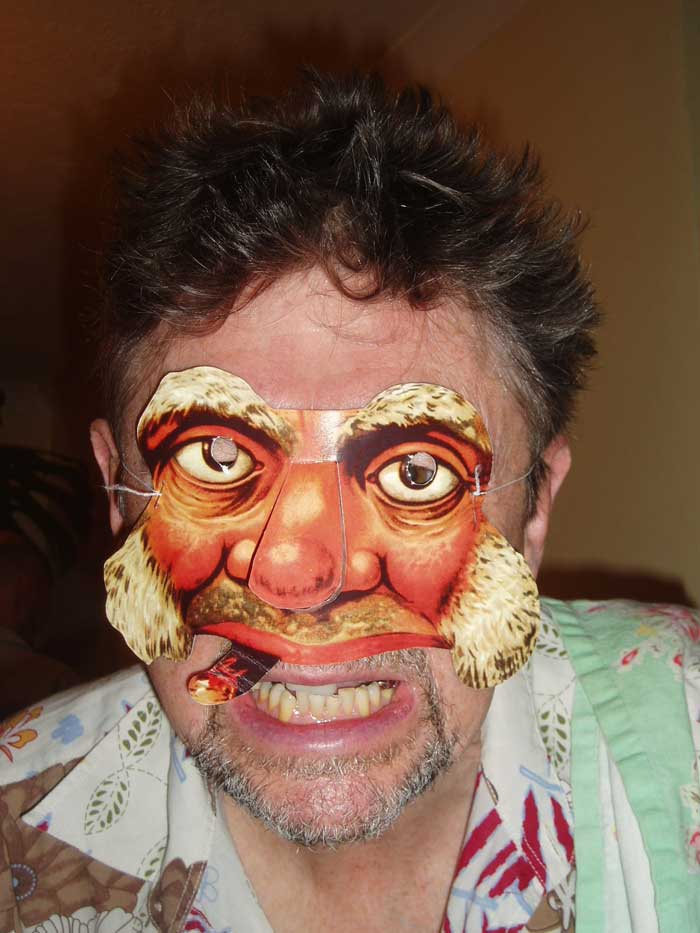
I’m a linguistic specialist; my specialism is identifying how wrongly people express themselves noticing when people do things wrong, and getting annoyed at it. I am very good at my job. Why can’t people simply use language correctly? Continue reading “Annoying Things People Say”
I’d like to tell you a story about my friend Jemima Postlethwaite – a story of house purchase, feng shui and amazing miracles. I swear, every word is totally incredibly true. Continue reading “A feng shui story”
Three Characteristics of Pessimistic Thinking
Dr. Martin Seligman, former president of the American Psychological Association, identifies three characteristics of pessimistic thinking:
The first is permanence. In other words, regarding temporary, passing events as being lasting and unchanging states. For example, your boss chews you out about something. You react by thinking, “I really hate him,” and you go on from there to think of all the things you don’t like about your boss. Your boss’s reprimand is a single, passing event, but you turn it into something permanent by thinking, “He’s always like that,” and “No matter what I do, he’ll never change.” On the other hand, the optimistic person thinks, “The boss is in a bad mood today. Something must have happened,” limiting the event to that day and not extending it any further. Continue reading “Optimism and pessimism: #1”
Here’s a little home movie about the life and adventures of our much loved spaniel Rosa, who lived with us for 16 years. We’d love to hear from anyone who has memories of her.
You can read more about Rosa’s life and how it sadly came to an end – in these blogs on the Medium platform:
When Your Much Loved Dog is Dying
When Your Much Loved Dog is Dying (Again)

recording of a nightingale singing, recorded by the author:
Everyone loves to listen to birdsong, but have you ever wondered why? Continue reading “Why do we love to hear birdsong?”

“Yah well it’s a very simple dish, I just threw it together, you just take three small poussins that have been fed on organic Zechuan pine kernels and marmite, and marinate them overnight in a coulis of fermented blueberries with a good dollop of vintage Indonesian rum, then while that’s on the go you Continue reading “Annoying Archetypes #1: The Annoyingly False-modest Cook”
 This is how it began.
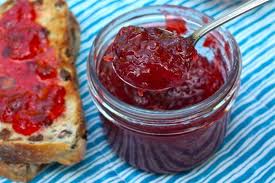
Every Tuesday morning, I travel to the delightful Sussex village of Ditchling for yoga class; I’m the only man among thirty delightful Ditchling ladies. At the end of class, another delightful group of Ditchling ladies takes over the space for a choir rehearsal. As part of this activity they make wonderful cakes, chutneys and jams, and sell these to one another to raise funds for the choir. I purchased a jar of this home made jam from a delightful choir lady at the produce table, and brought it home; it was the most delicious jam I had ever tasted. Continue reading “Secret Jam: a tale of rural intrigue”